
Switzerland's AI Code: The structure is in place, some tools are still missing
The DETEC and OFCOM guide offers a usable structure for an AI code. It becomes effective only with five tools that the document itself does not provide.

Perspectives on AI, governance, cybersecurity and digitalisation for boards and executive teams.
The DETEC and OFCOM guide offers a usable structure for an AI code. It becomes effective only with five tools that the document itself does not provide.
The new standard describes twelve ways to compromise an AI system. What it gives the board, and where the NIST Cybersecurity Framework fills the gaps.
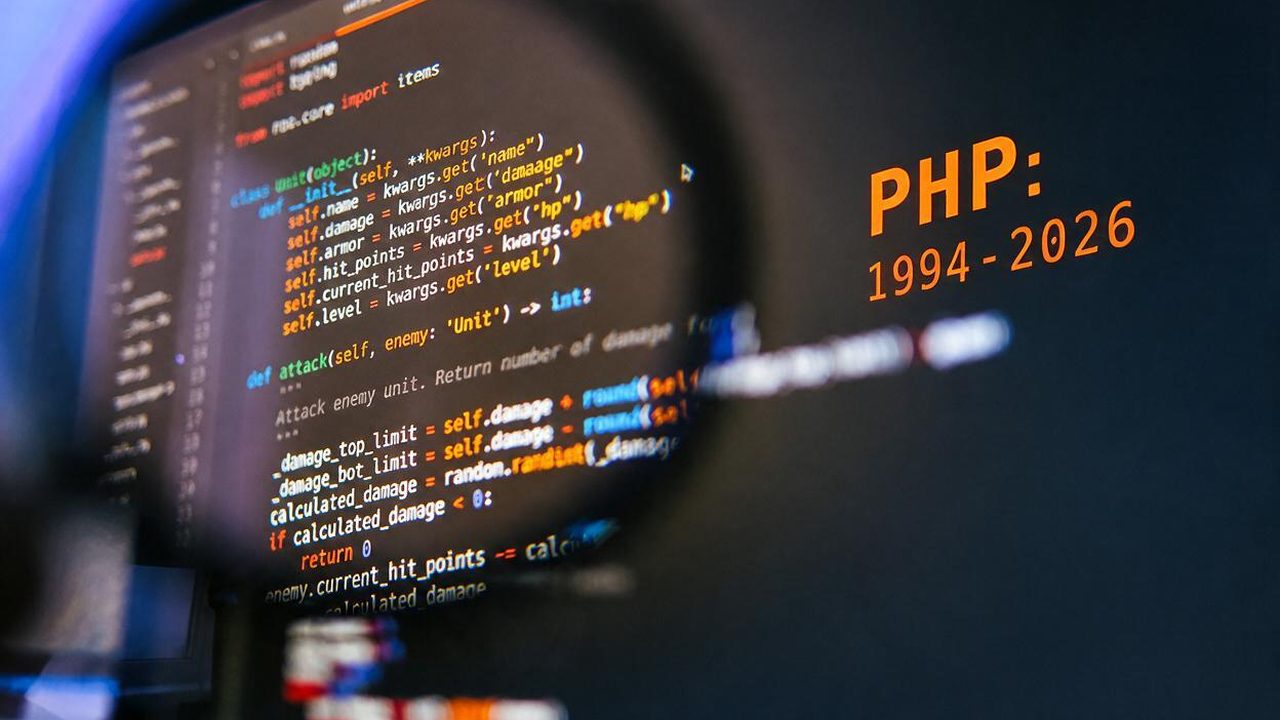
Around 70 per cent of websites run on PHP, maintained by a foundation with one full-time employee. What this dependency means for the board.
The swissVR Monitor II/2026 shows more attacks and less reporting to the board. Why boards know the risk and still act only once the damage has occurred.
By 2035, 54 per cent of working hours in the United States could be automated. What does that mean for business models that sell services by the hour?
Before the discussion turns to technology and governance, another question is worth asking: how would we build the organisation if we could start again today?
When AI writes the requirements catalogue, the answer and the evaluation, the human is left with the signature. What that means for the Board of Directors.
Language models recommend the same strategies across all providers. What that means for boards and executives, and which check costs nothing.
The Liechtenstein register hack reveals five patterns that recur across many IT environments, from uneven security to uncontrolled outsourcing.
IT providers recommend from their own portfolio, not from your actual requirement. Governance can manage that information asymmetry, but it cannot remove it.